Grease Trap Management for Hotels: A Complete Guide for UAE Hospitality
A 5-star hotel in Dubai typically operates between three and five commercial kitchens under one roof: the all-day dining restaurant, the banquet kitchen, the specialty restaurant, the pool bar, and the room service prep area. Each of these outlets generates fats, oils, and grease (FOG) at different volumes and at different times of day. Managing the grease trap infrastructure across all of them is not optional—it is a municipality licensing requirement, a DTCM audit checkpoint, and a fundamental part of preventing catastrophic drainage failures that can shut down food operations during peak occupancy.
This guide covers what hotel engineering teams and FM companies need to know about grease trap management across multi-kitchen hotel properties in the UAE.
Why Hotels Face Unique Grease Trap Challenges
Unlike a standalone restaurant with a single kitchen and one grease trap, a hotel property generates FOG from multiple independent sources that often share drainage infrastructure. A banquet kitchen preparing a 500-cover wedding dinner produces a fundamentally different grease profile than the pool bar making club sandwiches. The all-day dining kitchen runs from 6 AM breakfast through midnight room service. The specialty restaurant might operate a tandoor or a wok station that generates concentrated oil waste in short, intense bursts.
Each of these kitchens requires its own appropriately sized grease trap, and the drainage from all of them eventually converges into the building’s main sewer line. If any single trap overflows or bypasses, FOG enters the shared drainage and can cause blockages that affect the entire property—including guest bathrooms on lower floors.
Dubai Municipality (DM) requires all food-serving establishments to maintain functional grease traps. For hotels, this means every kitchen outlet must have a trap sized according to its peak flow rate. DM inspectors assess trap condition during food permit renewals, and hotels operating under DTCM classification are held to higher standards because a drainage failure directly impacts guest experience and the emirate’s tourism reputation.
Sizing Grease Traps Across a Hotel Property
The most common mistake hotel engineering teams make is installing uniform trap sizes across all kitchens. A 2000-litre trap might be correct for the main all-day dining kitchen, but it is oversized and wasteful for a pool bar producing 30 covers of light food, and undersized for a banquet kitchen that does 1000 covers during wedding season.
Recommended Sizing by Kitchen Type
All-day dining (200-400 covers/day): 1500-2500 litre trap with weekly pump-out schedule during high-occupancy periods.
Banquet kitchen (variable, up to 1500 covers): 3000-5000 litre trap minimum. These kitchens have extreme volume variance—idle on Tuesday, running at full capacity on Thursday and Friday. The trap must be sized for peak, and pump-outs must be scheduled proactively before major events.
Specialty restaurant (80-150 covers): 1000-1500 litre trap. The grease profile depends heavily on cuisine type. A steakhouse with a charcoal grill generates different FOG than a Chinese wok kitchen.
Pool bar / lounge (light food only): 500-1000 litre trap. Lower FOG volume but often neglected because engineering teams focus on the main kitchens.
Room service prep area: Often shares the all-day dining trap. If separate, a 500-litre trap with fortnightly cleaning is typically sufficient.
For detailed sizing assistance, our installation team conducts on-site assessments to calculate optimal trap capacity based on actual menu output and peak flow rates.
Annual Maintenance Contracts for Hotel Properties
Managing grease traps across 3-5 kitchens on an ad-hoc basis is inefficient and risky. One missed cleaning cascades into emergency callouts, guest complaints, and potential DM violations. This is why every major hotel chain in the UAE operates under an Annual Maintenance Contract (AMC) for grease trap management.
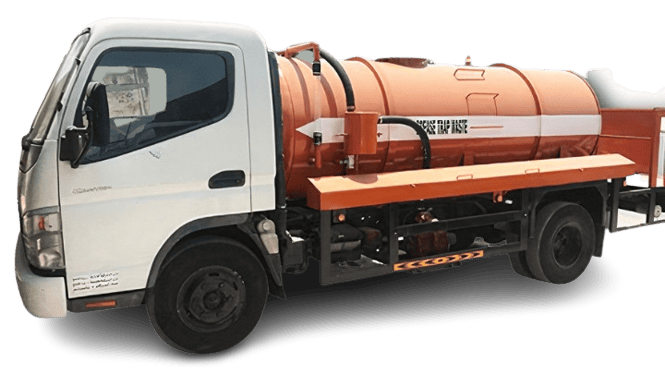
An Enterprise AMC from GTC covers the entire property under a single contract with scheduled cleaning frequencies tailored to each kitchen’s output. The banquet kitchen might be on a weekly schedule during peak season (October-April) and fortnightly during summer. The pool bar might be monthly year-round. Each cleaning includes pump-out, interior scraping, baffle inspection, and a condition report that goes directly to the hotel’s engineering manager.
AMC pricing for hotel properties depends on the number of traps, their combined capacity, and the cleaning frequency schedule. Our maintenance plans start from AED 99/month for individual traps, with enterprise multi-trap packages priced on a per-property basis after site assessment.
Municipality Compliance and DTCM Requirements
Dubai Municipality’s Food Safety Department inspects grease traps as part of food establishment licensing. For hotels, the requirements are explicit:
- Every kitchen producing FOG must have a grease trap installed on the drainage line before it connects to the municipal sewer.
- Traps must be cleaned at a frequency that prevents grease accumulation from exceeding 25% of the trap’s total capacity.
- Cleaning must be performed by a DM-approved service provider with proper waste disposal documentation.
- Maintenance records must be available for inspection at all times.
In Abu Dhabi, ADAFSA (Abu Dhabi Agriculture and Food Safety Authority) enforces similar requirements with additional emphasis on documentation and traceability of waste disposal. Hotels operating in Abu Dhabi must maintain cleaning logs that show the date, time, contractor details, volume of waste removed, and the waste disposal facility used.
Sharjah Municipality, Ajman Municipality, and the northern emirates each have their own enforcement departments, but the core requirement is consistent: every commercial kitchen needs a maintained grease trap, and the operator must prove it.
Common Hotel Grease Trap Failures
In 17 years of servicing hotel properties across the UAE, these are the failures we see most frequently:
1. Banquet Season Overflows
The trap was sized for average load, not peak. During December-January wedding season, the banquet kitchen runs at 200% of its normal output, and the trap fills in three days instead of seven. The solution is proactive pre-event pump-outs scheduled alongside the banquet booking calendar.
2. Pool Bar Neglect
Because the pool bar’s grease output is low relative to the main kitchen, it gets deprioritised. After six months without cleaning, the trap solidifies and blocks completely, causing a backup that floods the pool deck utility area.
3. Shared Drainage Contamination
A trap overflow in Kitchen A sends FOG into the shared building drain. It accumulates at a low point in the drainage system (often in the basement) and causes a blockage that backs up into Kitchen B, the laundry, or worse—guest facilities. This is entirely preventable with proper AMC scheduling.
Biological Dosing for Hotels
Between scheduled pump-outs, biological dosing systems introduce enzyme-producing bacteria that break down FOG inside the trap. For hotels with high-volume kitchens, dosing systems extend the interval between pump-outs by 30-40%, reduce odour complaints from kitchen staff, and keep drainage flowing between scheduled maintenance visits.
Dosing units are installed directly on the trap and dispense automatically on a timer—no kitchen staff involvement required. For a hotel with five traps, a centralised dosing program can be included in the AMC at a fraction of the cost of additional emergency callouts.
Choosing a Grease Trap Service Provider for Your Hotel
Hotel properties should evaluate service providers on three criteria beyond price: municipality approval status, response time for emergency callouts, and the quality of documentation provided after each service visit. A provider that cleans the trap but doesn’t deliver a proper service report is creating a compliance liability for the hotel.
GTC has provided grease trap services to hotel properties across all seven emirates since 2009. Our Activity Code 900017 licensing, DM-approved status, and documented waste disposal chain give hotel engineering teams the compliance assurance they need. Learn more about our hotel and hospitality services.
Get a Property Assessment
If your hotel is operating without a structured grease trap management program, or if you are experiencing recurring drainage issues that your current provider cannot resolve, contact GTC for a complimentary property assessment. We will survey every trap on your property, evaluate sizing, recommend a cleaning schedule, and provide an enterprise AMC proposal tailored to your property’s actual operational profile.
Call us at +971 58 570 7110 or visit our contact page to schedule your hotel property assessment.