Grease Trap Compliance for School & Hospital Cafeterias in the UAE
Schools and hospitals are not restaurants, but their cafeterias are commercial kitchens subject to the same grease trap regulations as any food establishment in the UAE. The difference is context: a restaurant that fails a grease trap inspection faces a fine and possibly a temporary closure. A school cafeteria that causes a drainage backup affects hundreds of children. A hospital kitchen that goes offline disrupts patient meal service in a healthcare facility. The stakes are different, even if the regulations are the same.
This guide covers grease trap compliance for institutional food service operations in the UAE, including schools (private and public), universities, hospitals, clinics with in-house cafeterias, and staff canteens in government buildings.
Institutional FOG Production: Lower Volume, Same Rules
A school cafeteria serving 800 students a lunch meal produces significantly less FOG than a busy restaurant doing 300 covers across lunch and dinner with a full menu. The menu is typically simpler: rice dishes, grilled proteins, soups, sandwiches, and pre-prepared items. Deep frying is limited. Cooking oil volumes are moderate.
But “lower FOG” does not mean “no grease trap.” Dubai Municipality, ADAFSA, and every emirate’s municipal authority require grease traps on any commercial food preparation facility, regardless of volume. A school cafeteria that produces even modest amounts of FOG needs a properly sized, regularly maintained grease trap.
The confusion arises because some school operators assume that because their kitchen is “small” or “not really a restaurant,” they are exempt. They are not. When DM or the relevant health authority conducts inspections—which they do regularly for schools and hospitals—grease trap compliance is on the checklist.
Health Authority Inspections
Schools and hospitals face more frequent health inspections than typical restaurants, and the inspecting authority is often more demanding.
Schools
The Knowledge and Human Development Authority (KHDA) in Dubai, ADEK in Abu Dhabi, and the Ministry of Education all conduct or coordinate inspections of school food service facilities. These inspections cover food safety, hygiene, and kitchen infrastructure—including drainage and grease management.
A school that fails a grease trap inspection during a KHDA review faces the same potential consequences as a failed food safety audit: corrective action requirements, follow-up inspections, and potential impact on the school’s overall rating. For private schools where rating directly affects enrollment and tuition pricing, this is a material business risk.
Hospitals
Hospital food service falls under the jurisdiction of both the municipality (for food establishment licensing) and the health authority (DHA in Dubai, DOH in Abu Dhabi, MOH federally). Hospital kitchens serving patient meals are classified as food establishments and must hold a valid food permit, which requires grease trap compliance.
Additionally, hospitals seeking or maintaining JCI accreditation (Joint Commission International) must demonstrate compliance with facility management standards that include proper wastewater management. A non-compliant grease trap is a facility management deficiency that can be flagged during JCI surveys.
Sizing Grease Traps for Institutional Kitchens
Institutional kitchens typically need smaller traps than restaurants because of lower FOG output, but the sizing must still be calculated properly based on the number of connected fixtures and the menu profile.
Typical Sizing
Small school cafeteria (200-400 students, lunch only): 500-1,000 litre trap. Menu is typically light on deep-fried items. Monthly to fortnightly cleaning is usually adequate.
Large school cafeteria (800-1,500 students, lunch only): 1,000-2,000 litre trap. Fortnightly cleaning during the academic year. The trap can be serviced less frequently during summer break when the kitchen is idle.
University food court (multiple outlets): This is closer to a mall food court model. Each outlet needs an individual pre-treatment trap, and the building needs a shared main trap. See our food court management guide for details.
Hospital kitchen (patient meals + staff canteen): 1,500-3,000 litre trap. Hospital kitchens run 3 meal services daily, 365 days a year, with no seasonal slowdown. The consistent output requires a reliable cleaning schedule with no missed visits.
Staff canteen (government building, corporate office): 500-1,000 litre trap. Output depends on whether food is cooked on-site or delivered by a catering company. If a catering company delivers pre-cooked food and the on-site kitchen only does reheating, FOG production is minimal but a trap is still required.
Budget-Friendly AMC Options
Schools and hospitals operate under tight budgets where every line item is scrutinised. Grease trap maintenance is often the first item that gets cut when budgets are tight, because the consequences of neglect are invisible until they are catastrophic.
Our AMC plans start from AED 99/month for a single trap on a monthly cleaning schedule. For a school with one 1,000-litre trap that needs monthly cleaning during the academic year (September-June) and no cleaning during summer, the annual cost is under AED 1,000—less than a single emergency callout would cost.
For hospitals with larger traps and higher cleaning frequencies, we offer customised institutional AMC pricing that recognises the budget constraints of healthcare operations while ensuring compliance is maintained.
Schools with multiple campuses and hospital groups with multiple facilities can consolidate all locations under a single AMC, simplifying procurement and reducing per-location costs.
Scheduling Around Operations
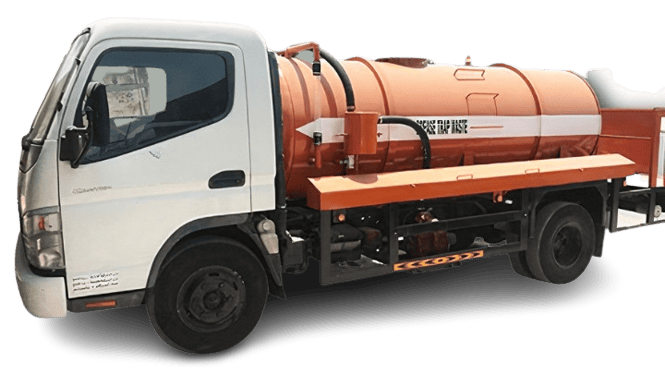
One of the most important considerations for institutional grease trap management is scheduling. A school kitchen cannot have a vacuum tanker pumping out the trap at 11 AM when lunch prep is underway. A hospital kitchen serving patient meals three times a day has even tighter scheduling constraints.
School Scheduling
The optimal cleaning window for school kitchens is after the last meal service ends (typically 2-3 PM) and before the cleaning staff finish their shift. Weekend cleaning is also an option but requires someone to provide site access. The best approach is to schedule cleaning on the same weekday each month, coordinated with the school’s facilities manager, so it becomes a predictable part of the operational calendar.
During school holidays (winter break, spring break, summer), cleaning can be paused or reduced. Some schools use the summer break as an opportunity for a deep clean that includes trap cleaning, drainage jetting, and trap inspection—a sensible approach that ensures the system is in optimal condition when the academic year begins.
Hospital Scheduling
Hospital kitchens operate continuously: breakfast prep starts at 5 AM, the last dinner service ends at 8 PM, and late-night snack prep may run until 10 PM. The cleaning window is narrow—typically 10 PM to 4 AM—and must be coordinated with the hospital’s facilities management team to ensure no disruption to patient meal service.
For hospitals, we provide after-hours cleaning with advance scheduling and coordination with the FM team. Our crews are experienced with healthcare facility protocols including access procedures, noise restrictions, and waste handling requirements.
What Happens When Institutional Traps Are Neglected
The consequences of neglecting a school or hospital grease trap follow the same pattern as any commercial kitchen, but the impact is amplified by the institutional context:
- Odour complaints: Parents and visitors notice kitchen odours in hallways and classrooms adjacent to the cafeteria. In hospitals, odour from a neglected trap can reach patient areas.
- Drainage backup: A blocked trap causes slow drains, standing water in the kitchen, and potentially sewage backup. In a school, this can force cafeteria closure and require students to bring lunch or go hungry. In a hospital, it disrupts patient meal service.
- Health authority findings: An inspection finding related to grease management becomes part of the institution’s compliance record. For schools, this can affect ratings. For hospitals, it can affect accreditation.
- Emergency costs: An emergency drainage clearance costs 3-5x more than a scheduled cleaning. For a budget-constrained institution, this unplanned expense creates procurement headaches.
Getting Started
If your school or hospital does not currently have a grease trap maintenance program, or if your current provider is unreliable, GTC can help. We provide scheduled cleaning services across all seven emirates, with specific experience serving institutional clients who require reliability, documentation, and budget predictability.
We will assess your kitchen’s trap, recommend a cleaning schedule based on your actual production volume, and provide a fixed-price AMC proposal that fits your procurement process. All cleaning visits include a service report suitable for filing with health authority inspection documentation.
Call +971 58 570 7110 to discuss your institution’s requirements, or visit our contact page to request an assessment.