Every food establishment in Dubai is responsible for keeping its grease trap working and its grease trap waste disposed of correctly. Get the cleaning frequency wrong and you risk blockages, bad odours, failed inspections and penalties. This guide explains how often grease traps should be cleaned and how to set a schedule that keeps you compliant.
What Dubai Municipality expects
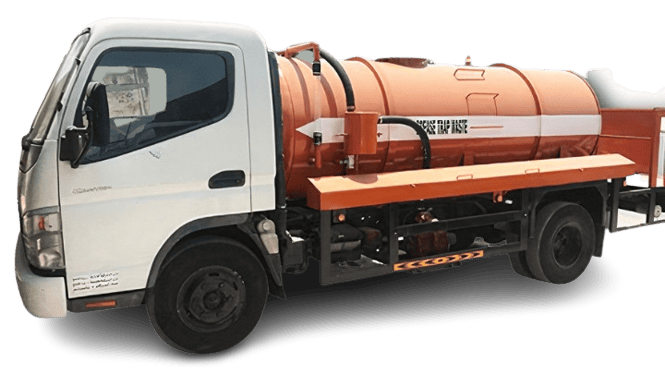
Dubai Municipality requires food establishments to install an appropriately sized grease trap or interceptor, keep it maintained so it actually captures fats, oils and grease, and dispose of the collected waste through a registered grease trap waste collector. That waste is tracked — legitimate contractors record each collection so there is a clear trail showing your trap is being serviced and the waste is going to an approved facility, not down a drain or into the environment.
The Municipality does not treat “we clean it sometimes” as compliance. Inspectors look for evidence of a regular, documented service. Keeping your collection records is as important as the cleaning itself.
The 25% rule
The widely used industry standard for setting frequency is the 25% rule: a grease trap should be cleaned before the combined layer of fats, oils, grease and settled solids reaches one quarter of the trap’s liquid capacity. Beyond that point the trap stops separating grease effectively, and FOG starts passing through into the drainage system — exactly what the trap exists to prevent.
How quickly your trap reaches 25% depends entirely on your kitchen, which is why frequency varies.
How often should YOUR kitchen clean its trap?
- Most commercial kitchens: monthly. A monthly schedule keeps the average restaurant or cafe comfortably below the 25% threshold and is the most common interval in Dubai.
- High-volume kitchens: every 2–4 weeks. Grill houses, fried-food outlets, hotel and banquet kitchens, and central production kitchens generate more FOG and often need more frequent service.
- Low-volume or small outlets: every 1–3 months. A small cafe with limited cooking may go longer — but only if monitoring confirms the trap stays under 25%.
The right interval is the one that keeps your specific trap below 25% at all times. The safest approach is to start with a sensible schedule, check the fill level over the first few services, and adjust.
Signs you are not cleaning often enough
- Persistent drain odours in the kitchen
- Slow-draining sinks or gully traps
- Grease visible at or near the trap lid
- Back-ups during busy service periods
If you are seeing these, your trap has likely passed 25% well before its scheduled clean. Learn the early warning signs of grease trap blockage so you can act before it becomes an emergency.
Frequently asked questions
Is monthly grease trap cleaning a legal requirement in Dubai?
The legal requirement is that the trap is kept effective and the waste disposed of through a registered collector with records. Monthly is the practical interval most kitchens need to meet that standard, but the exact frequency depends on your trap size and FOG load.
Who is allowed to collect grease trap waste in Dubai?
Only registered grease trap waste collectors using approved disposal facilities. Using an unregistered collector puts the responsibility — and any penalty — back on your establishment.
How do I set the right schedule?
Our team can assess your trap and kitchen volume and recommend a compliant interval. Book a scheduled grease trap cleaning service and we handle both the cleaning and the documented disposal.