Grease Trap Cleaning for Cloud Kitchens
Dubai’s cloud kitchen boom has created a new class of grease trap challenge. Delivery-only brands operating from shared or dedicated facilities in Al Quoz, DIP, JLT, and Business Bay generate disproportionate FOG relative to their compact trap size — making frequent, expert maintenance not a luxury but a lifeline.
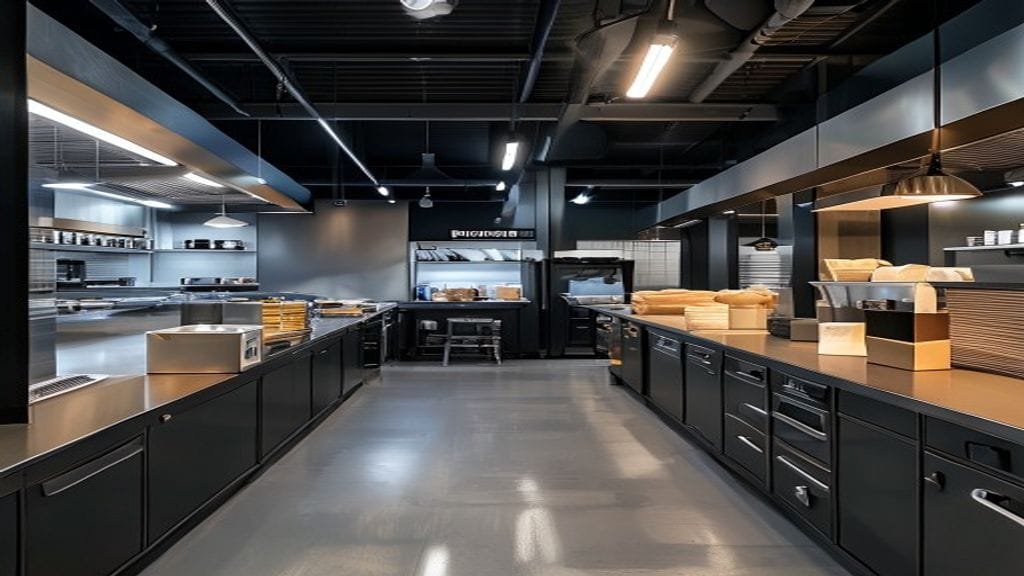 High-Output Kitchens
Why Cloud Kitchens Are Different — And Why Most Providers Get It Wrong
Cloud kitchens are the fastest-growing F&B segment in the UAE, but they present grease trap challenges that conventional service providers are simply not equipped to handle. A standard restaurant might have a 1,000-litre trap; many cloud kitchens operate with undersized units a fraction of that — yet produce comparable or greater FOG volumes due to high oil usage and near-continuous operation.
Multiple delivery brands sharing one physical kitchen multiply FOG output unpredictably. Shared facility operators — Kitopi, CloudKitchens, PREP — require coordinated scheduling across every tenant simultaneously. Peak delivery windows (11AM–2PM and 6PM–10PM) leave extremely narrow cleaning slots. Operators laser-focused on delivery metrics and star ratings too often neglect maintenance until an emergency blockage halts all production.
Most cloud kitchens run 16–20 hours daily, and the high oil content in delivery-dominant menus (fried chicken, shawarma, burgers) accelerates grease accumulation to rates that can overwhelm an undersized trap within weeks, not months.
- Undersized trap rapid-cycle cleaning programmes
- Multi-brand shared kitchen coordination
- Delivery-hour-aware scheduling (3AM–10AM slots)
- High-oil cuisine management protocols
- Shared facility operator partnerships (Kitopi, PREP & independents)
Cloud Kitchen Models We Service
From single-brand dark kitchens to massive ghost kitchen clusters — we have the expertise and scheduling flexibility to service every model operating in the UAE.
Single operator running multiple delivery brands from one unit. High FOG concentration in a compact trap — requires frequent, scheduled maintenance to prevent overflow.
Kitopi, PREP-style and independent multi-tenant spaces where multiple operators share infrastructure. We coordinate a single service window that covers all tenants — one visit, zero conflict.
One physical kitchen running 5–10 virtual restaurant brands simultaneously. The menu diversity (Asian, Arabic, burgers, pizza) creates variable FOG profiles — we calibrate frequency to your real mix.
Central production facilities supplying multiple delivery locations or retail outlets. High-volume, consistent output means predictable trap cycles — we lock in your schedule so production never stops.
Industrial area buildings — Al Quoz, DIP, JAFZA — converted into multi-unit kitchen complexes. We manage grease trap servicing across every unit in the building with a single coordinated visit.
DED-licensed home kitchens operating residential trap systems at commercial output levels. Standard residential traps are not designed for this load — we assess, advise, and maintain to keep you compliant.
Our Cloud Kitchen Service Process
Five steps engineered around delivery schedules, shared facilities, and the need for absolute speed.
We assess trap size versus actual FOG output per brand — not a generic estimate. Your audit determines your real cleaning cycle.
We match the cleaning schedule to your actual output — weekly, fortnightly, or monthly — based on cuisine type, operating hours, and trap capacity.
We clean during your 3AM–10AM downtime, well before the lunch rush. Your kitchen is spotless before prep begins, not during it.
In and out in 45 minutes. We know your downtime is money — our trained crews work efficiently and leave no mess behind.
Emailed reports with photographs arrive within hours of each visit. No paper, no clipboards, no filing — just clean records for your compliance folder.
Why Cloud Kitchens Choose GTC
We built our cloud kitchen service around the realities of delivery operations — not the assumptions of traditional restaurant maintenance.
Most providers focus on large restaurant traps. We are experts in the compact grease interceptor units that cloud kitchens rely on — including under-sink models and space-optimised commercial units.
We know your lunch and dinner peaks are untouchable. Every visit is scheduled before your prep window opens — cleaning never competes with your Talabat, Noon, or Deliveroo orders.
One contract covers all tenants in a shared facility. Operators love us because we manage the scheduling complexity so they do not have to chase individual brands to coordinate access.
Our standard cloud kitchen turnaround is 45 minutes because we understand that every minute of downtime is lost revenue. Trained crews, right equipment, no delays.
Monthly rolling contracts because cloud kitchen operators need flexibility. Scale up, scale down, or pause — we work around your business, not the other way around.
No paper, no clipboards, no chasing signatures. Reports with photographic evidence land in your inbox or WhatsApp within hours — ready for compliance audits at any time.
Frequently Asked Questions
Answers to the questions cloud kitchen operators ask us most.
Cloud Kitchen Hubs We Cover
We are present in every major cloud kitchen cluster across Dubai and beyond — with coverage extending to all 7 emirates.
All 7 emirates covered — same scheduling standards, same 45-minute turnaround
Need Grease Trap Service for Your Cloud Kitchen?
Tell us your kitchen model, brands, and approximate operating hours. We will design a maintenance schedule that fits your delivery operation — not disrupts it.
Free kitchen audit — no obligation — all UAE emirates